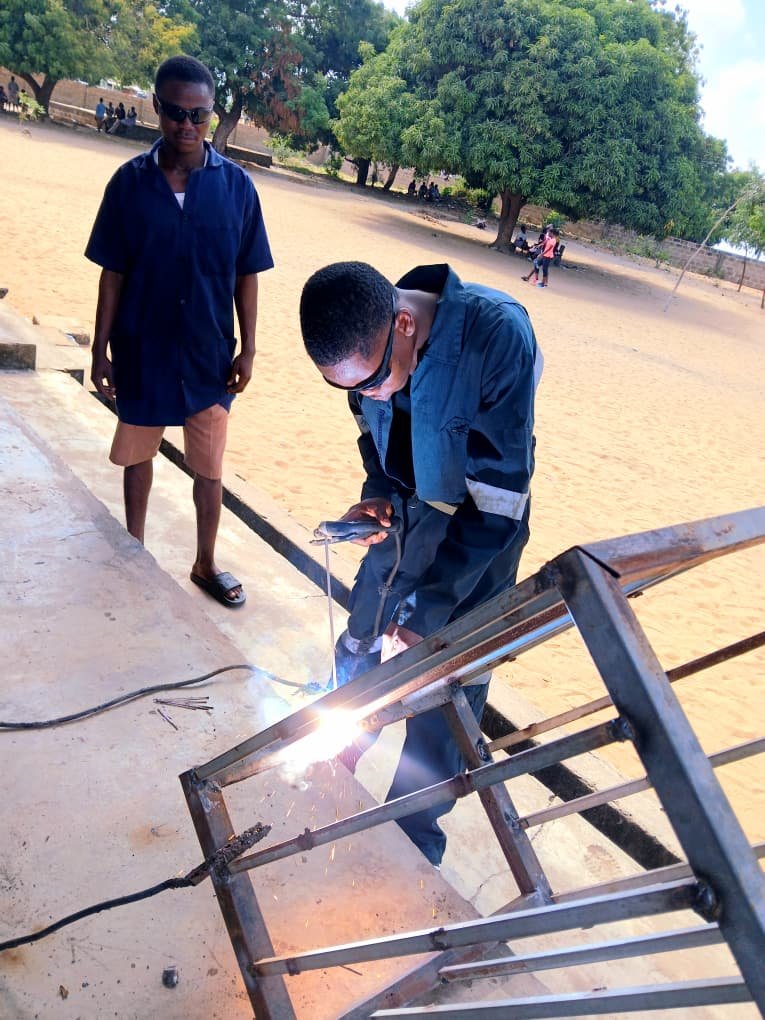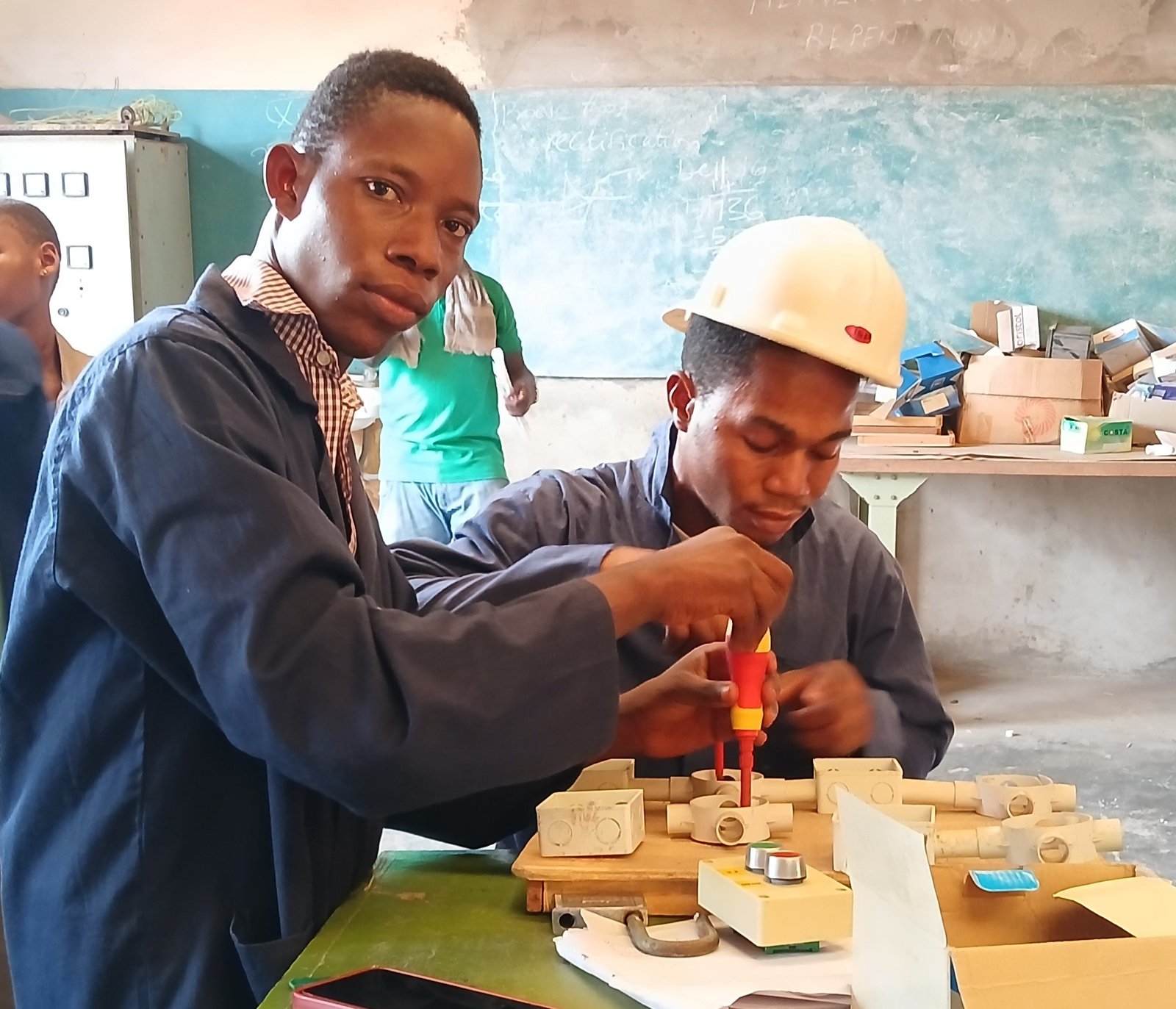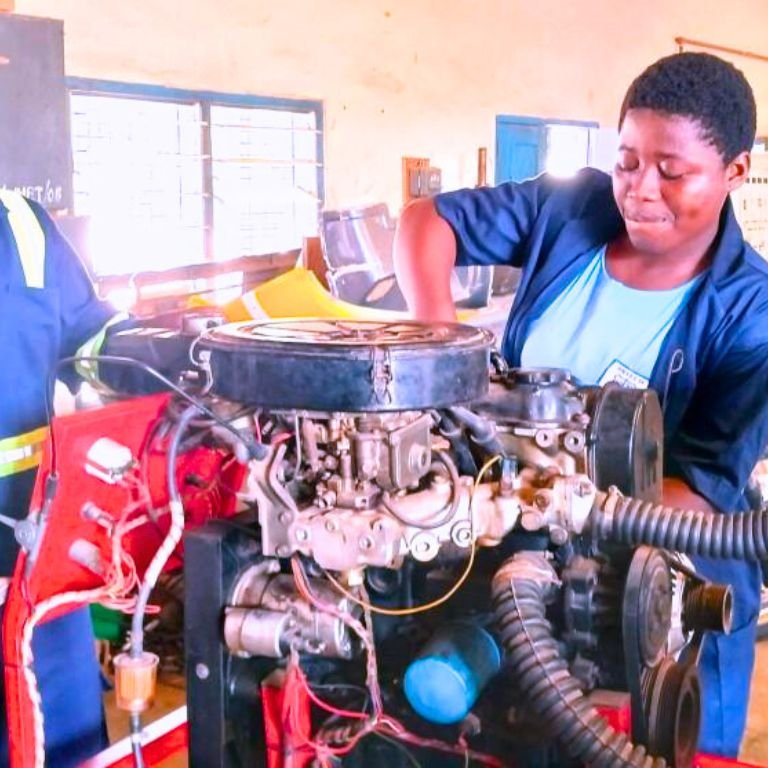


Course Details
Electronic Engineering Technology (EET) has evolved from simple “radio and TV repair” into a high-tech discipline focused on automation, telecommunications, and renewable energy. Under the Commission for TVET (CTVET), the course is designed to produce “Technician Engineers” who can bridge the gap between theoretical engineering and pure craftsmanship.
The EET program in Ghana follows the Competency-Based Training (CBT) model. This means the curriculum is driven by industry needs, with roughly 70% practical workshop delivery and 30% theoretical foundations. The goal is to ensure that a graduate can walk onto a factory floor or a construction site and be immediately productive.
Curriculum
- Basic Electricity & Electronic Circuits
- Digital Electronics & Microprocessors
- Industrial Automation & PLC
- Telecommunications & Networking
- Renewable Energy Systems (Solar Tech)
Certification Pathways
Ghana’s TVET landscape allows for a flexible progression through the National TVET Qualification Framework (NQF):
-
National Certificate I & II: Focuses on installation and basic maintenance.
-
Higher National Diploma (HND): Focuses on system design, troubleshooting, and supervisory roles.
-
B.Tech / M.Tech in Electronics: Advanced engineering management and specialized innovation.
Career Opportunities in Ghana
Graduates of Electronic Engineering Technology are highly sought after in:
-
Telecommunications: Companies like MTN, Telecel, and AT.
-
Manufacturing: Food and beverage industries (e.g., Kasapreko, Nestle).
-
Energy Sector: ECG, GRIDCo, and various private solar firms.
-
Biomedical: Maintenance of electronic medical equipment in hospitals.
-
Entrepreneurship: Electronic design bureaus and repair startups
Required Skills for Success
To excel in this course, a student should possess:
-
Analytical Thinking: For troubleshooting complex circuit failures.
-
Manual Dexterity: For precise soldering and assembly of miniature components.
-
Mathematical Aptitude: Essential for calculating circuit parameters like impedance and frequency response.
Fun Fact: Modern TVET labs in Ghana are now incorporating E-Learning and Virtual Reality (VR) simulations, allowing students to “build” and “test” high-voltage circuits in a safe digital environment before touching live wires.