Introduction From Head of Department
Dear Students and Staff,
Welcome to the 2026/2027 academic year!
As the Head of Department, it is a privilege to lead a team so dedicated to the precision and craftsmanship that defines the Welding and Fabrication Technology sector. Whether you are returning to deepen your expertise or are a first-year student embarking on this technical journey for the first time, you are in the right place.
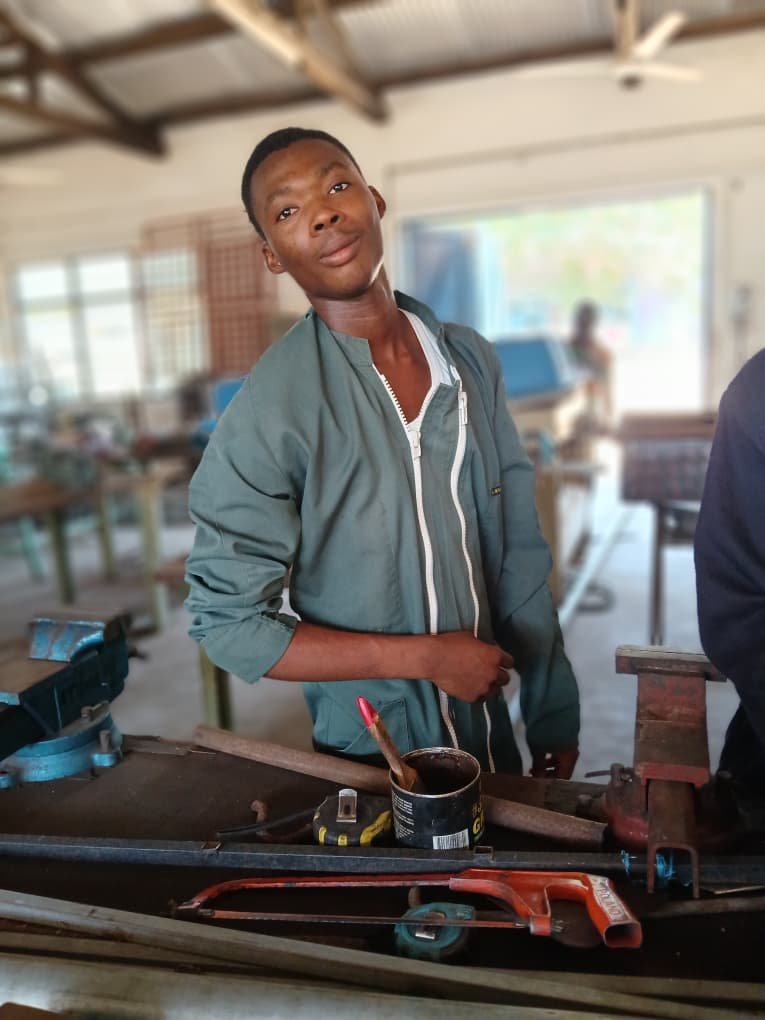
Our department is not just a classroom; it is an incubator for industrial-grade skills. We pride ourselves on blending the rigor of Precision Quality (PQ) standards with the creative problem-solving required by modern industry.
This year, our focus is twofold: Practical Mastery and Industrial Readiness.
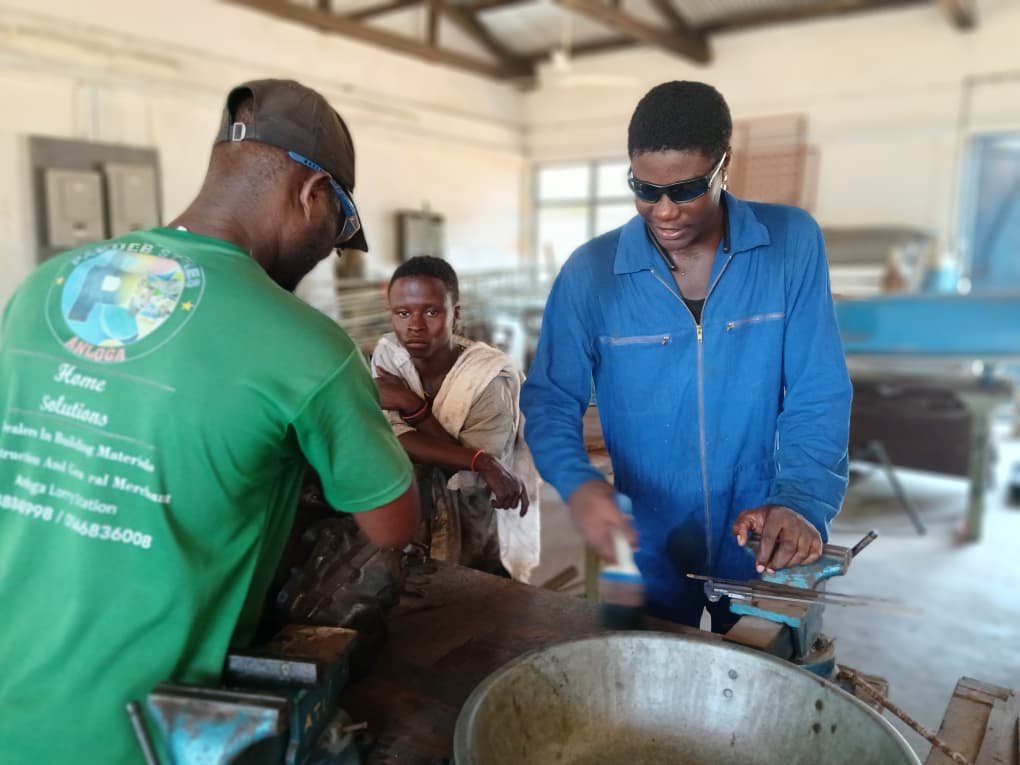
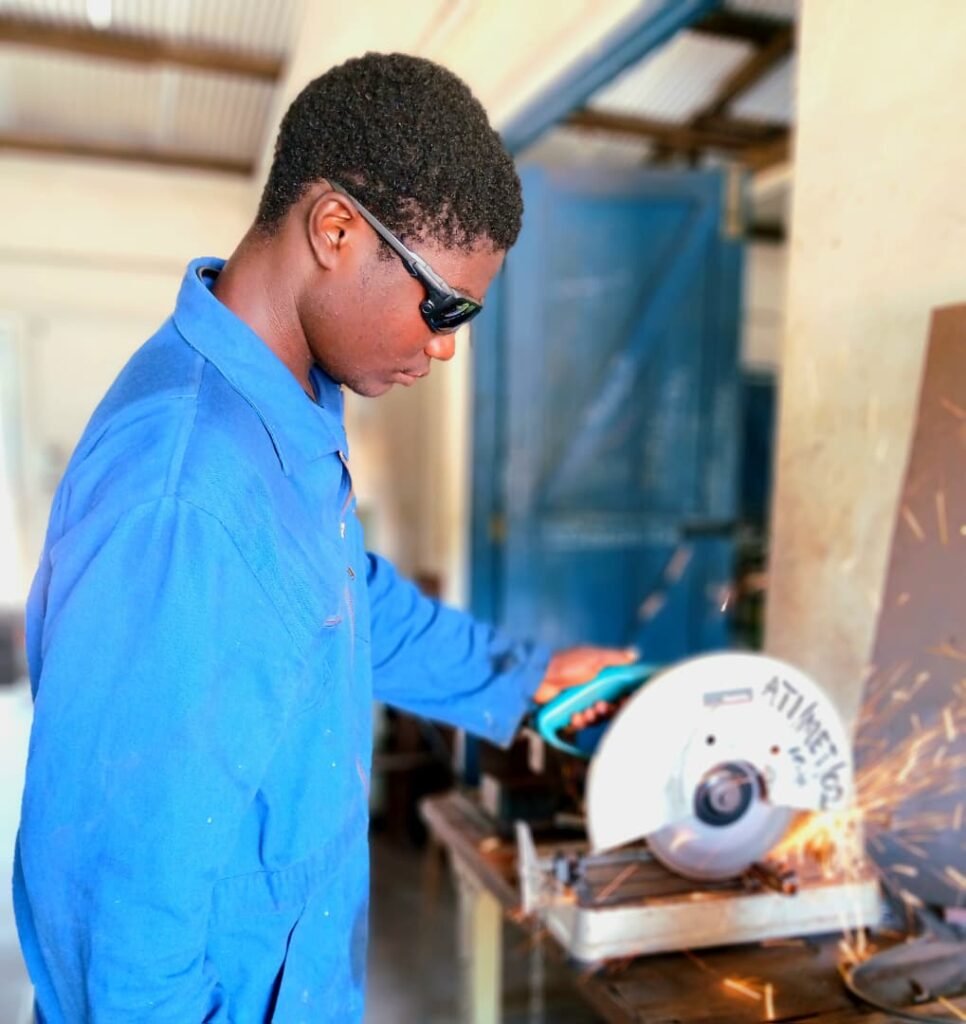
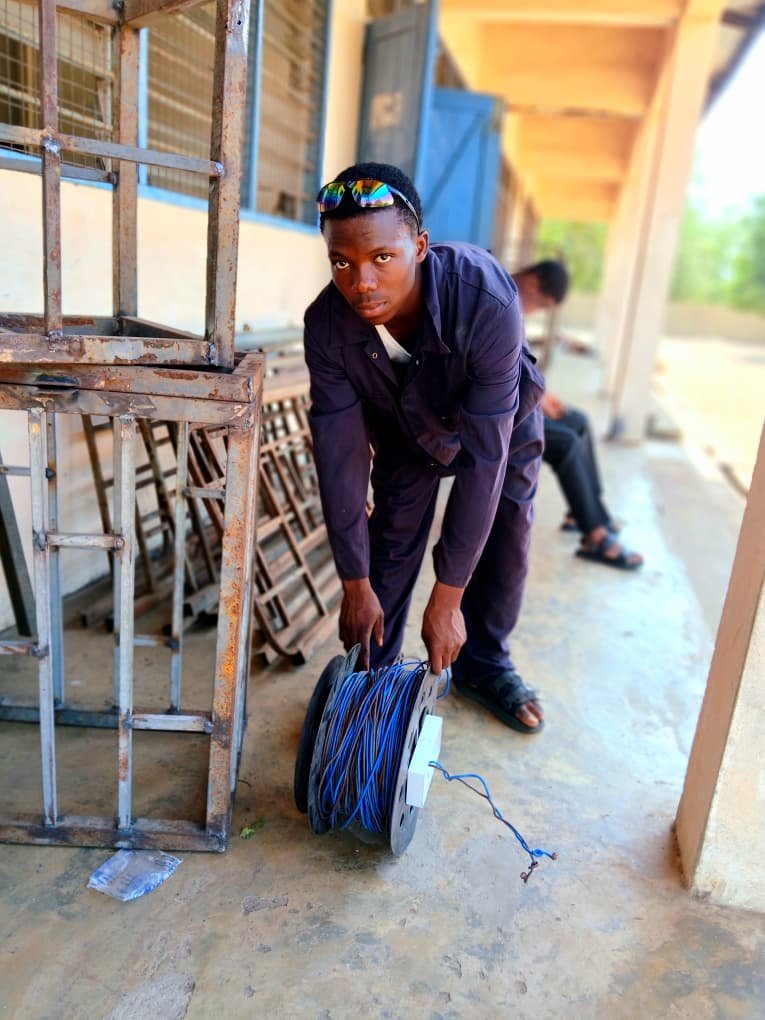
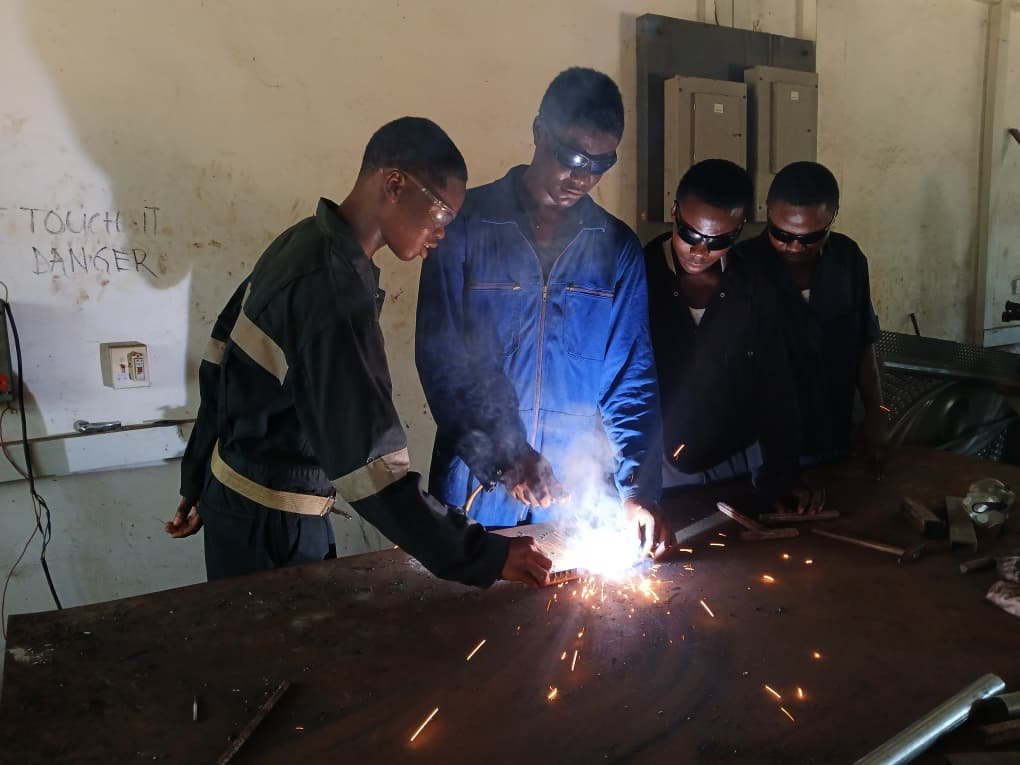
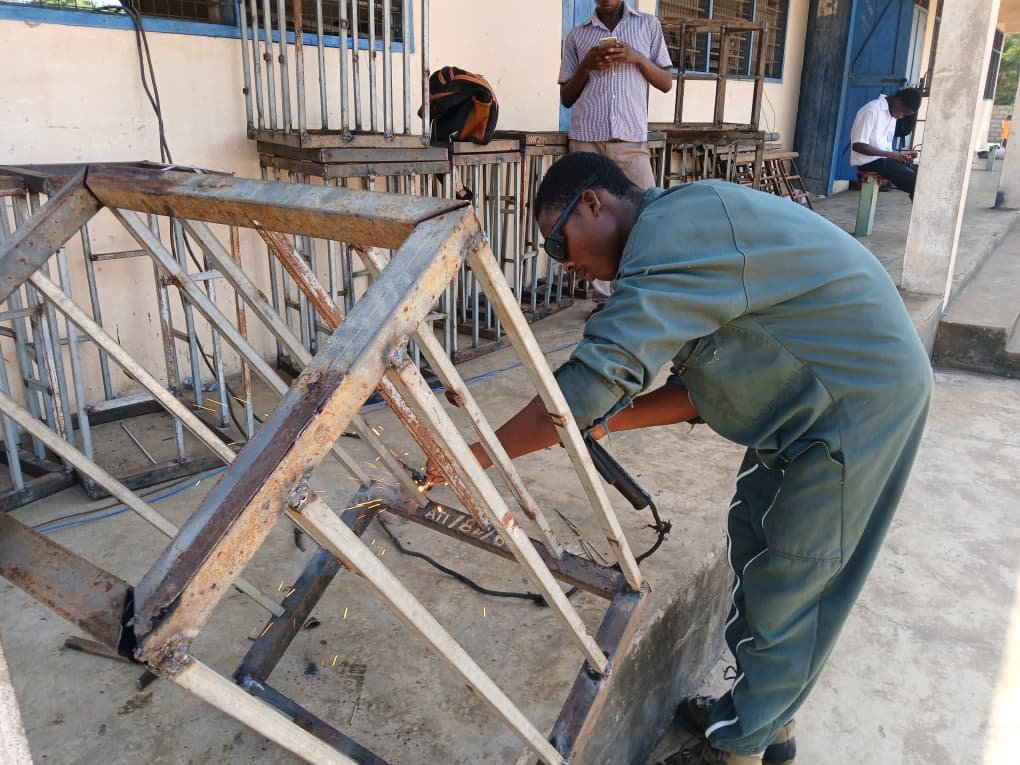
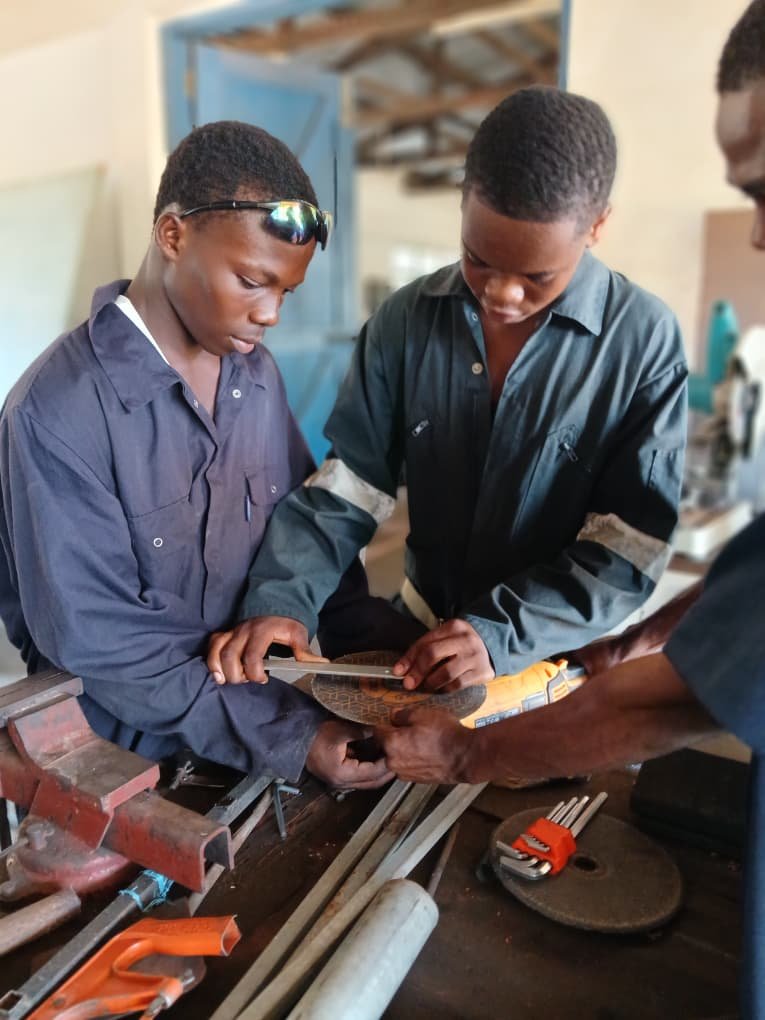
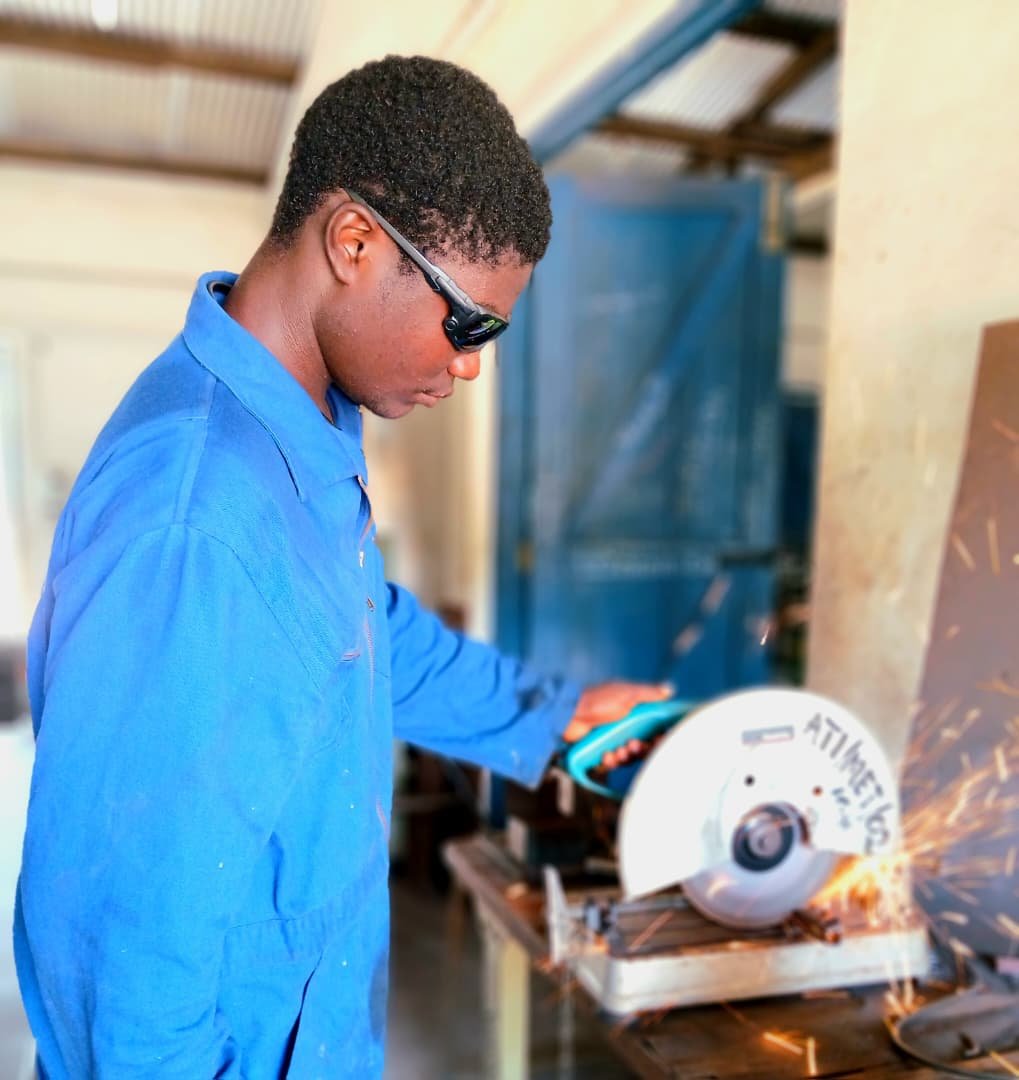
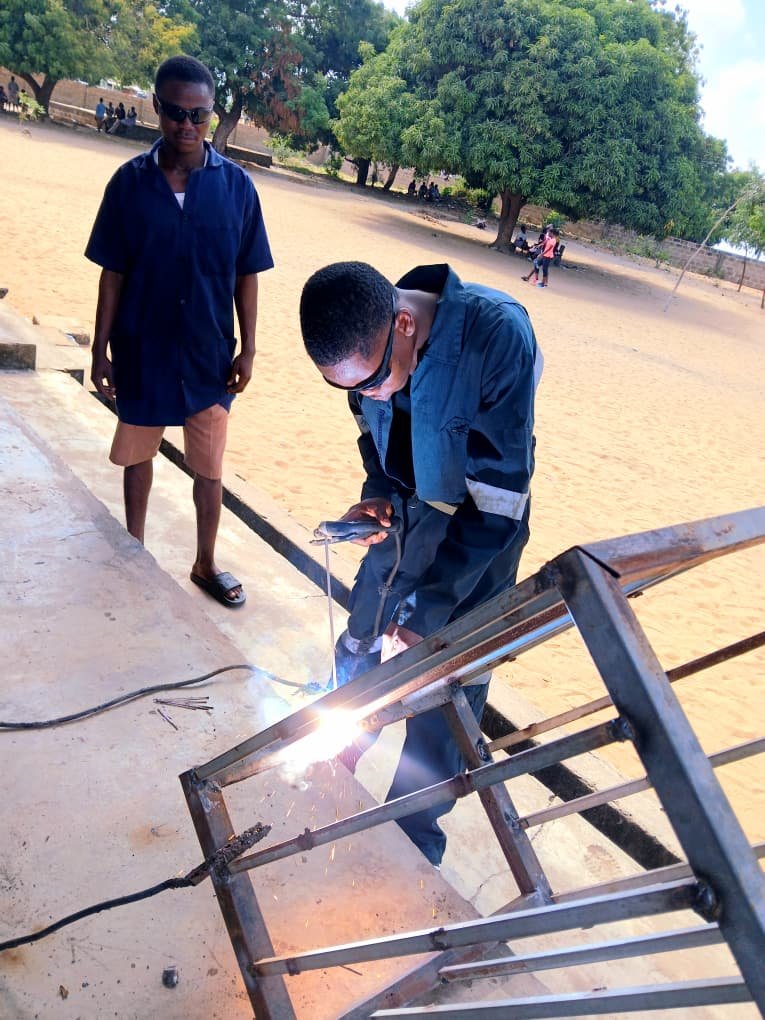
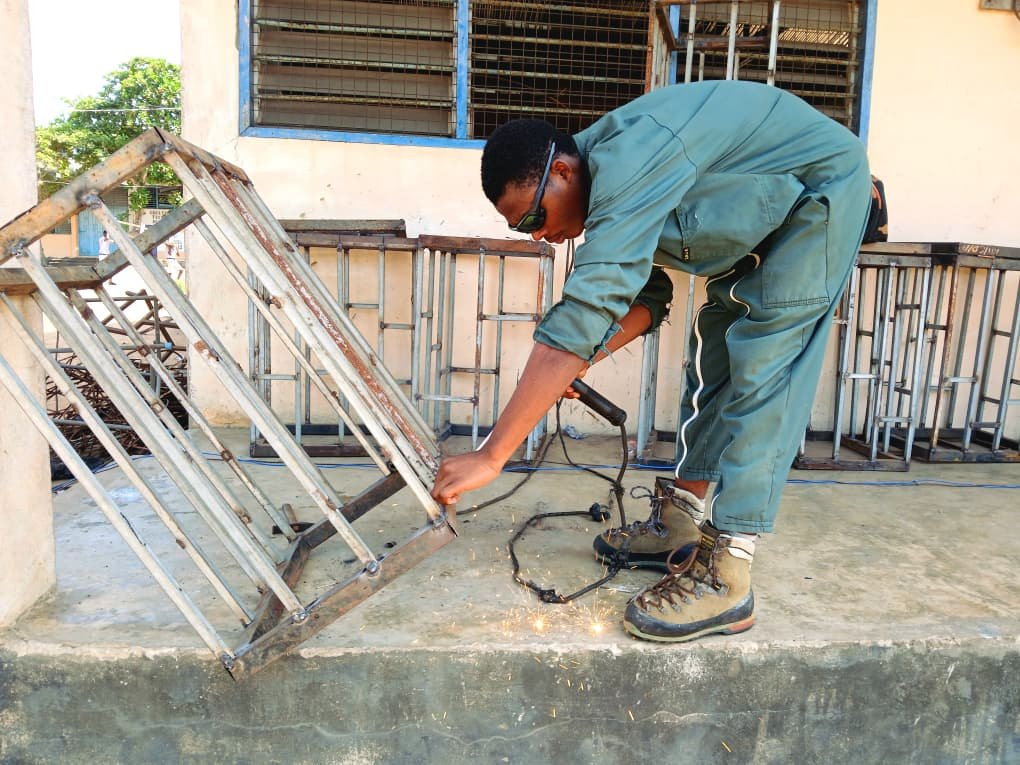
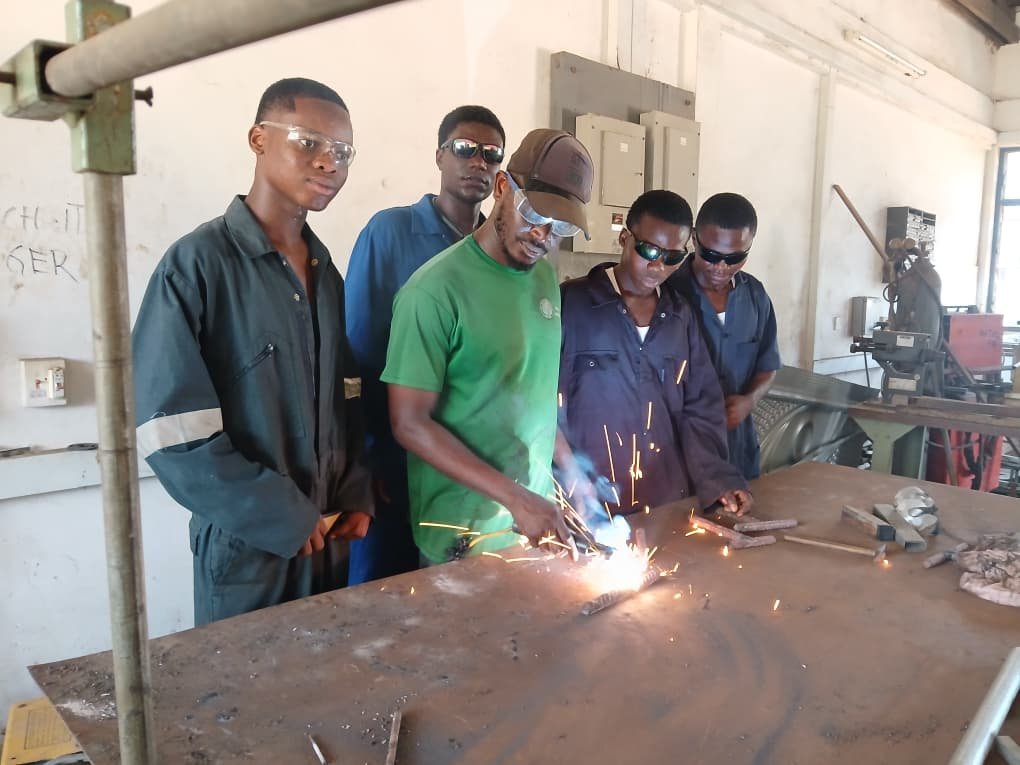
You will be engaging with core welding processes that are the heartbeat of the energy, construction, and manufacturing sectors. From mastering the nuances of Shielded Metal Arc Welding (SMAW) and Gas Tungsten Arc Welding (GTAW) to understanding the structural mechanics of metal fabrication, your hands-on time in the workshop will be prioritized to ensure you graduate not just with a certificate, but with a competitive, industry-ready portfolio.
Brief About Department
Contemporary teaching of welding and fabrication in Antech emphasizes industry relevance, digital integration, and entrepreneurial readiness.
Curricula increasingly incorporate engineering drawing interpretation, safety protocols, and soft skills like communication and teamwork. Some schools also adopt simulation tools and modular training systems to enhance learning outcomes and reduce material waste. This shift reflects Ghana’s broader TVET transformation agenda—preparing learners not just for employment, but for innovation and self-employment in a rapidly evolving industrial landscape.
AIMS and Objectives
Developing Industry-Ready Practical Competencies.
The primary objective is to equip students with the technical skills required by high-demand industries such as oil and gas, mining, construction, and manufacturing. This includes mastery of fundamental and advanced welding processes—such as Shielded Metal Arc Welding.
Promoting Entrepreneurship and Self-Reliance
The curriculum is designed to empower graduates to transition from job seekers to job creators. By incorporating business fundamentals, project estimation, and client-focused service management, the program aims to provide students with the necessary tools to establish and manage their own small-to-medium-scale fabrication enterprises, fostering self-employment and sustainable livelihoods
Trade Subjects For Welding and Fabrication Technology


Prospective career
Structural Steel Welder: Fabricates the steel “skeletons” for skyscrapers, stadiums, and bridges. This role involves working with heavy beams and often requires working at significant heights.
Boilermaker: Builds and maintains massive vessels (boilers and tanks) that hold gases or liquids under pressure.
Architectural Metalworker: Focuses on the aesthetic and functional metal elements of buildings, such as custom staircases, ornate gates, and specialized interior fixtures.
Certified Welding Inspector (CWI): Uses visual inspection and Non-Destructive Testing (NDT) (like X-rays or ultrasound) to ensure that welds meet safety codes and structural standards.
Welding Engineer: Focuses on the science of joining metals, selecting the right materials and processes for major engineering projects.
TVET Instructor: Training the next generation of technicians within technical institutes like ANTECH, focusing on competency-based training.