INTRO TO GENERAL TEXTILE TECHNOLOGY
General Textile Technology is a foundational trade within the Textile and Apparel sector. Currently, the curriculum has been modernized under the Competency-Based Training (CBT) model to bridge the gap between traditional Ghanaian craftsmanship (like Kente weaving) and industrial mass production.
The program is structured to give students a 360-degree understanding of how a fiber becomes a finished fabric
MESSAGE FROM HoD
Welcome to the Department of General Textile Technology. As we embark on this new academic session, I am thrilled to welcome both our returning students and our new cohorts into an environment where traditional craftsmanship meets modern industrial innovation. Our department stands as a cornerstone of the TVET transformation, dedicated to equipping you with the specialized skills—from fiber science to digital textile design—that are essential for Ghana’s growing manufacturing sector. We are committed to a Competency-Based Training (CBT) approach that ensures every hour spent in our workshops translates into professional mastery, preparing you to lead with technical excellence in the global textile landscape
This year, our focus remains on the “Green and Digital” shift, emphasizing sustainable production and advanced technology. I encourage you to immerse yourselves in your practical modules, engage deeply with our industry-standard equipment, and embrace the collaborative spirit of our technical community. Whether your goal is to innovate within established firms like GTP or to launch your own specialized boutique, our faculty is here to guide your journey from foundational yarn production to the heights of textile engineering. Let us work together to weave a future of industrial success and entrepreneurial independence. Welcome aboard!
AIMS AND OBJECTIVE
The program is structured to achieve several high-level goals for the Ghanaian industrial sector:
Industrial Competence: To equip learners with the technical knowledge required to operate modern textile machinery and manage industrial production lines.
Cultural Preservation: To modernize and standardize indigenous textile techniques, such as Kente weaving and Northern Smock production, for the global market.
Entrepreneurial Independence: To foster a “job creator” mindset, enabling graduates to establish their own specialized boutiques or textile design studios.
Sustainability: To promote “Green TVET” by teaching eco-friendly dyeing processes and efficient waste management in textile production.
TRADE AREA SUBJECTS
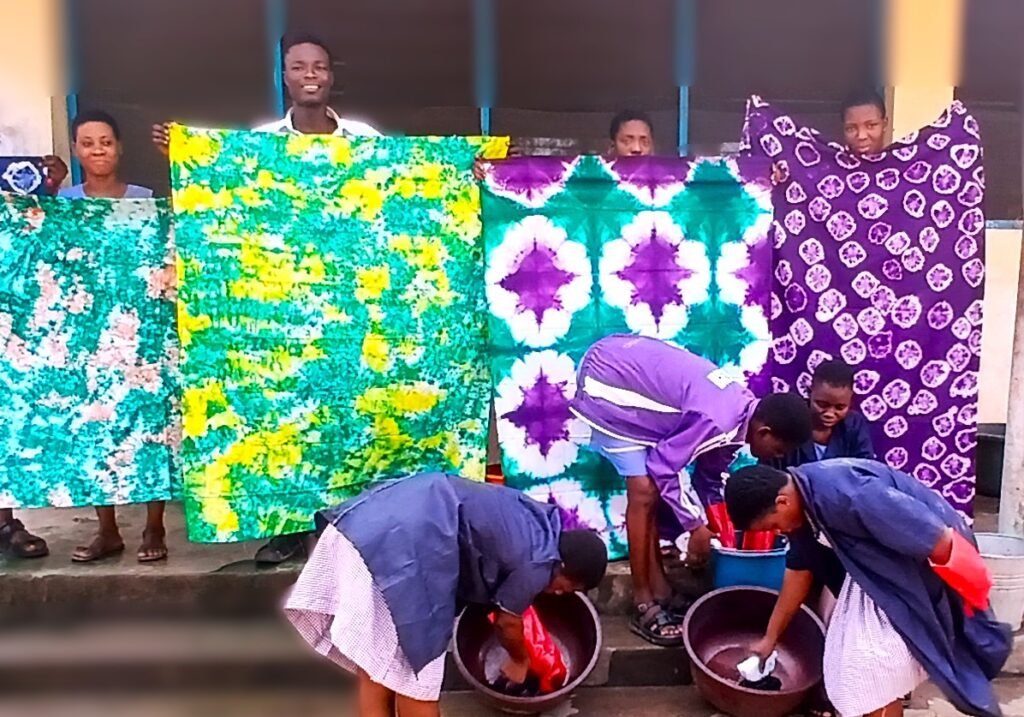
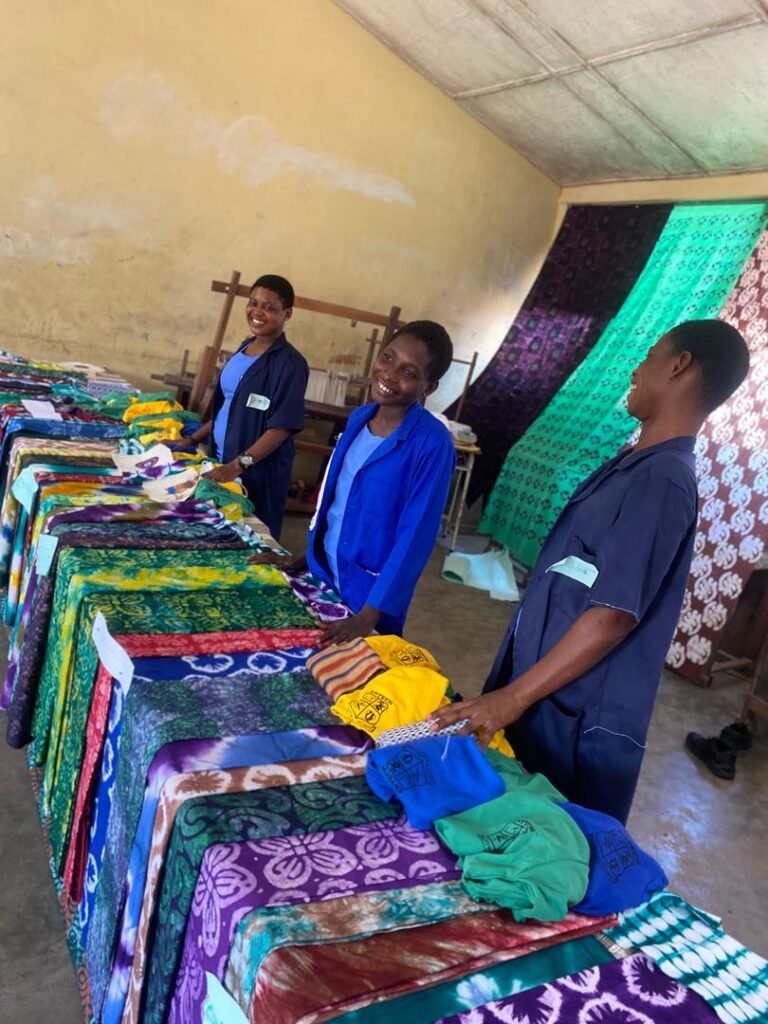
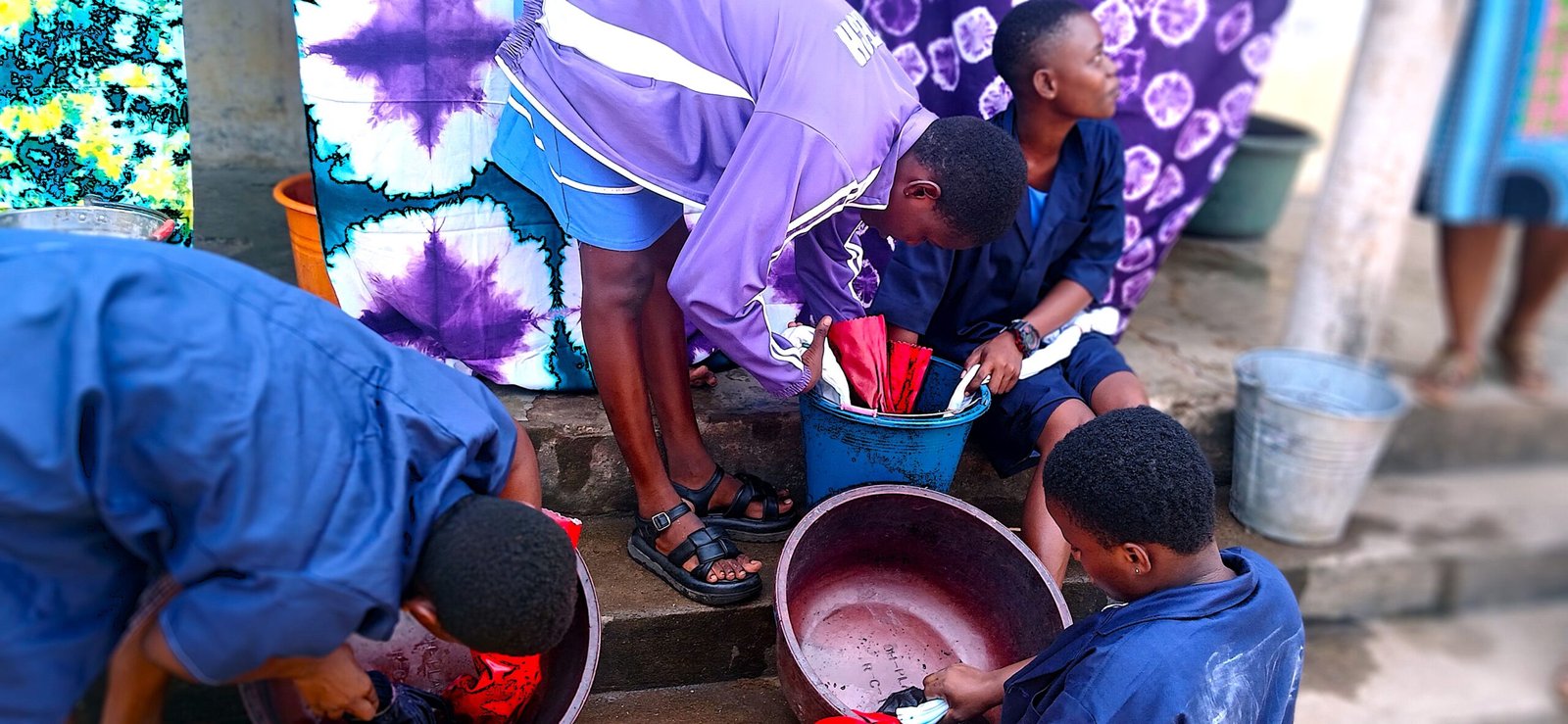
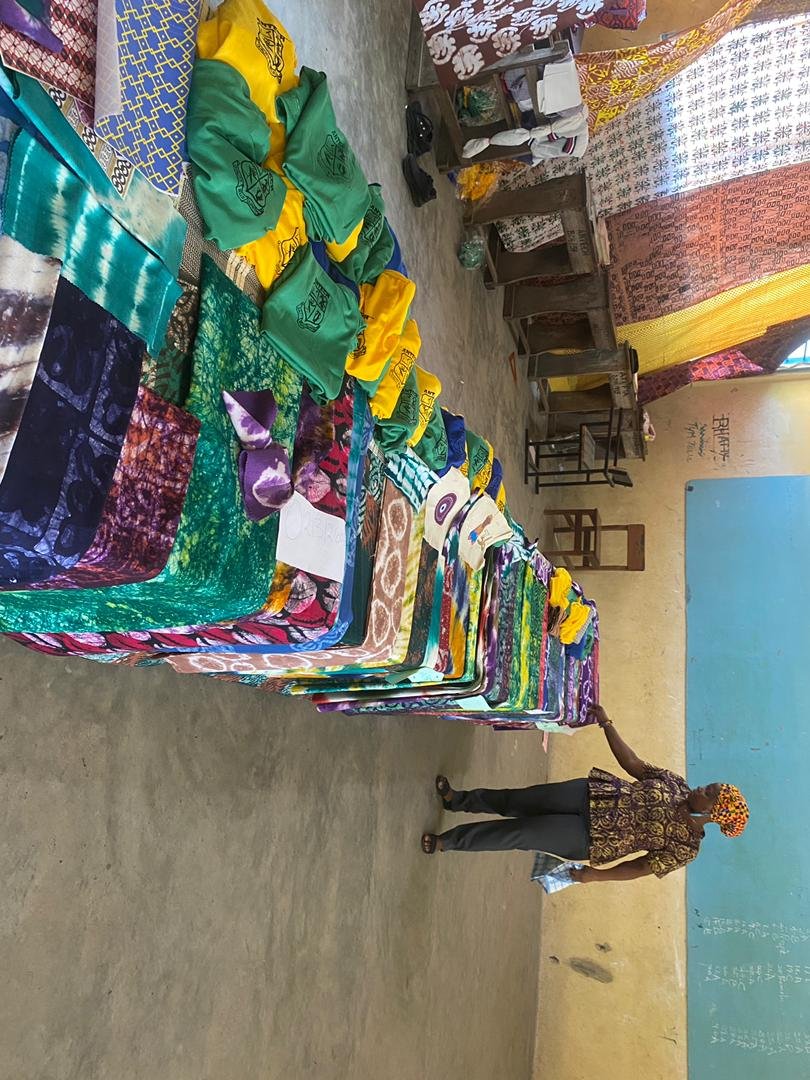
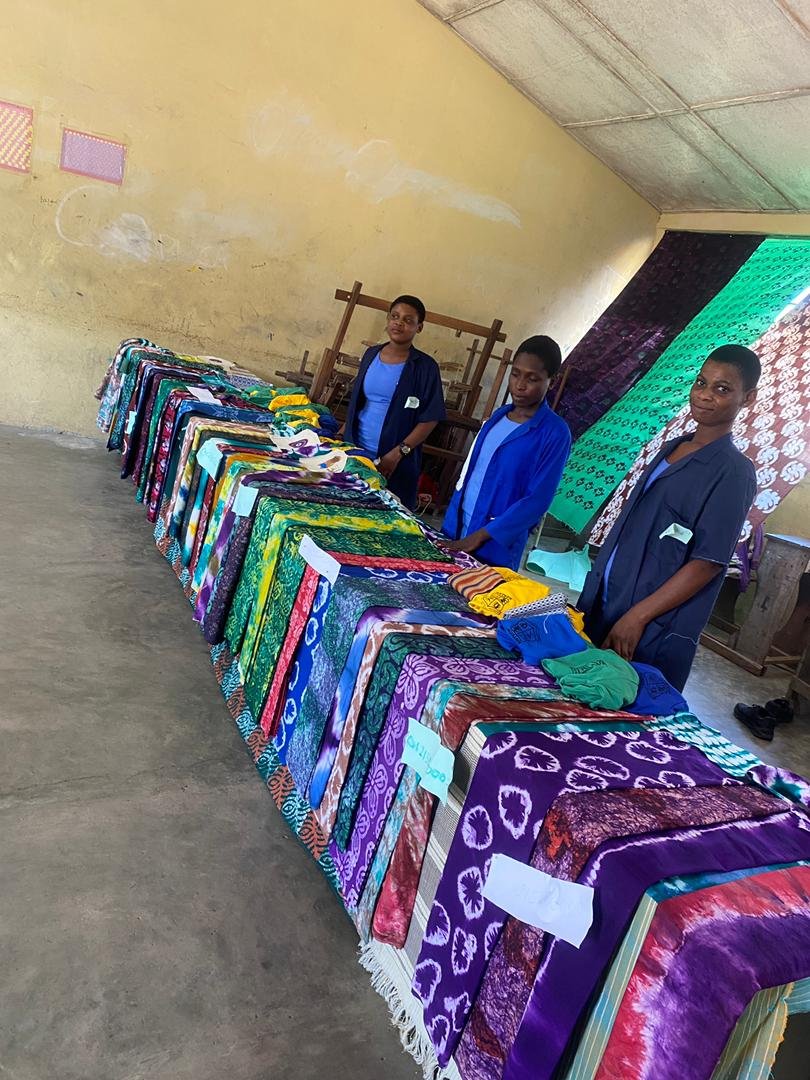
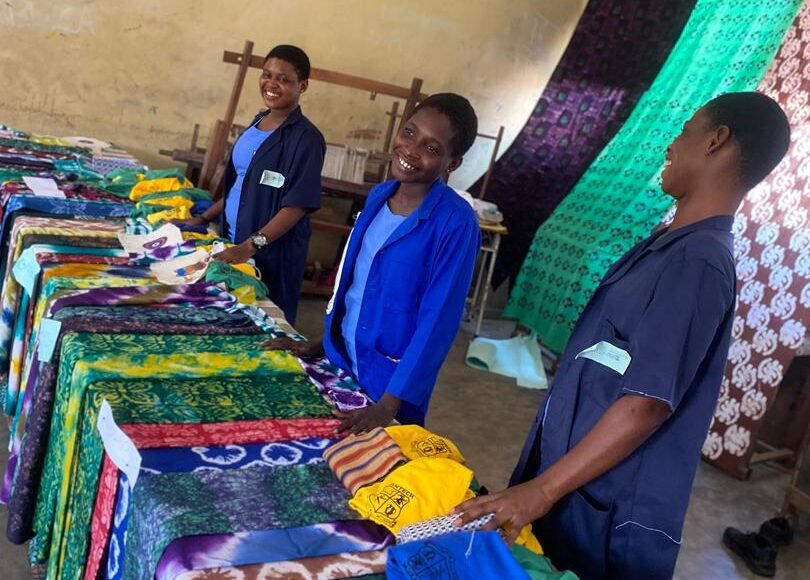
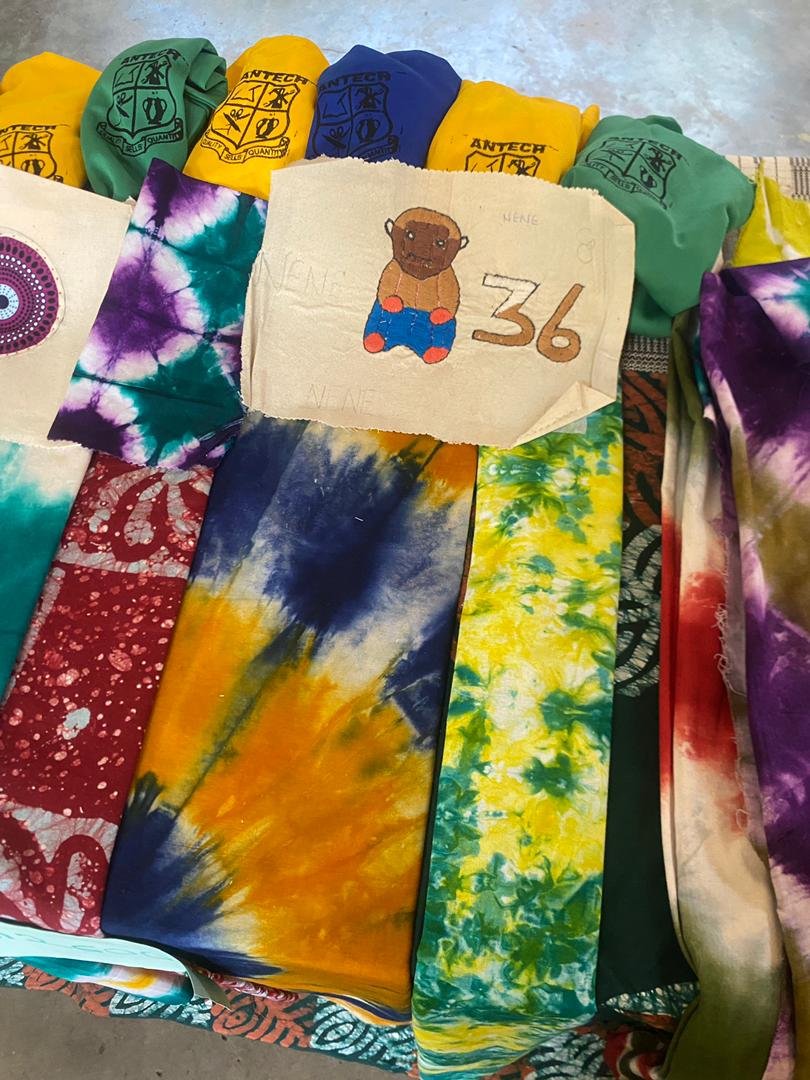
Textile Colouration is a specialized trade within the Textile and Apparel sector . It focuses on the science and art of adding value to fabrics through dyeing and printing.
Under the Competency-Based Training (CBT) model, colouration is no longer just about “making things pretty”—it is a technical discipline that requires a deep understanding of chemical affinity, material science, and workplace safety.
Textile Design and Fabrication represents the high-tech intersection of creative artistry and industrial engineering. While “Textile Technology” focuses on the science of fibers and dyes, Design and Fabrication focuses on the structural creation of fabrics and the digital conceptualization of patterns.
As of 2026, this trade is a critical pillar of Ghana’s industrialization, moving away from manual repetition toward Computer-Aided Design (CAD) and automated production
Innovation and Marketing is a high-level competency area designed to ensure that technical skills are converted into commercial success. Currently, the curriculum has been overhauled to integrate Generative AI and Digital Agility, reflecting the “Pact for Skills” transformation agenda.

carrier
Textile Machine Operator : Responsible for setting up, monitoring, and maintaining industrial weaving, spinning, or knitting machines.
Production Supervisor : Oversees floor operations, manages shifts, and ensures that production targets are met efficiently.
Fabric Software Engineer : A specialized 2026 role focusing on the integration of CAD/CAM systems to automate complex textile patterns.
Quality Control Officer: Conducts physical and chemical tests on fabrics to check for colorfastness, shrinkage, and tensile strength.
Screen Printing & Digital Print Specialist: Operates modern digital textile printers or manages manual screen-printing teams for high-end boutique fabrics.